Slow-motion videos have become one of the most popular visual storytelling tools across Bangladesh—whether it’s wedding cinematography in Dhaka, travel vlogs from Cox’s Bazar, cricket moments in Mirpur Stadium, product ads on Facebook, or aesthetic Instagram Reels. The reason is simple: slow motion adds emotion, depth, and beauty to everyday movements. Many beginners assume they need an expensive camera to achieve this cinematic look, but in reality, almost any modern camera—or even smartphone—can shoot beautiful slow-motion footage if used correctly.
This beginner-friendly guide explains how slow motion works, which settings matter, how to shoot professionally, and which cameras are ideal for Bangladeshi creators—so you can decide whether you need to upgrade your gear or simply improve your technique.
What Really Makes Slow Motion Cinematic?
Slow motion isn’t just about slowing down a clip—it’s about giving viewers a chance to feel the movement. When recorded at a high frame rate and played back at a normal video speed, motion appears smoother, more immersive, and more dramatic. That’s why wedding dress twirls, ocean waves, falling rain, street life, smoke, dancing, running, or even pouring tea look more emotional in slow motion. Cinematic slow motion combines frame rate, lighting, shutter timing, composition, stability, editing, and storytelling. All of these elements work together—not individually.
Also Read: Top 10 Camera Accessories Every Beginner Must Buy in 2026
Understanding Frame Rates—The Heart of Slow Motion
Every video is made of frames, and the number of frames captured per second directly affects how slow the footage can be. Normally, films and YouTube videos are edited and exported in 24 frames per second. So if you record in 60 frames per second and place it into a 24 fps timeline, the motion slows down naturally and smoothly. Shooting at 120 fps creates even more dramatic slow motion. For most Bangladeshi videographers, 60 fps and 120 fps are realistic, useful, and widely supported. Unless you’re shooting scientific or extreme sports footage, you rarely need 240 fps.
Mastering the Shutter Speed Rule
Once you increase frame rate, you must adjust shutter speed. The classic 180-degree shutter rule suggests setting shutter speed to double your frame rate. So if you’re recording at 60 fps, aim for 1/120 shutter speed; if you’re shooting 120 fps, use 1/240. This balance creates natural motion blur, preventing footage from looking unnaturally sharp or jittery. Many beginners shoot slow motion without changing shutter speed, which leads to messy, unclear footage.
Why Lighting Is More Important Than FPS
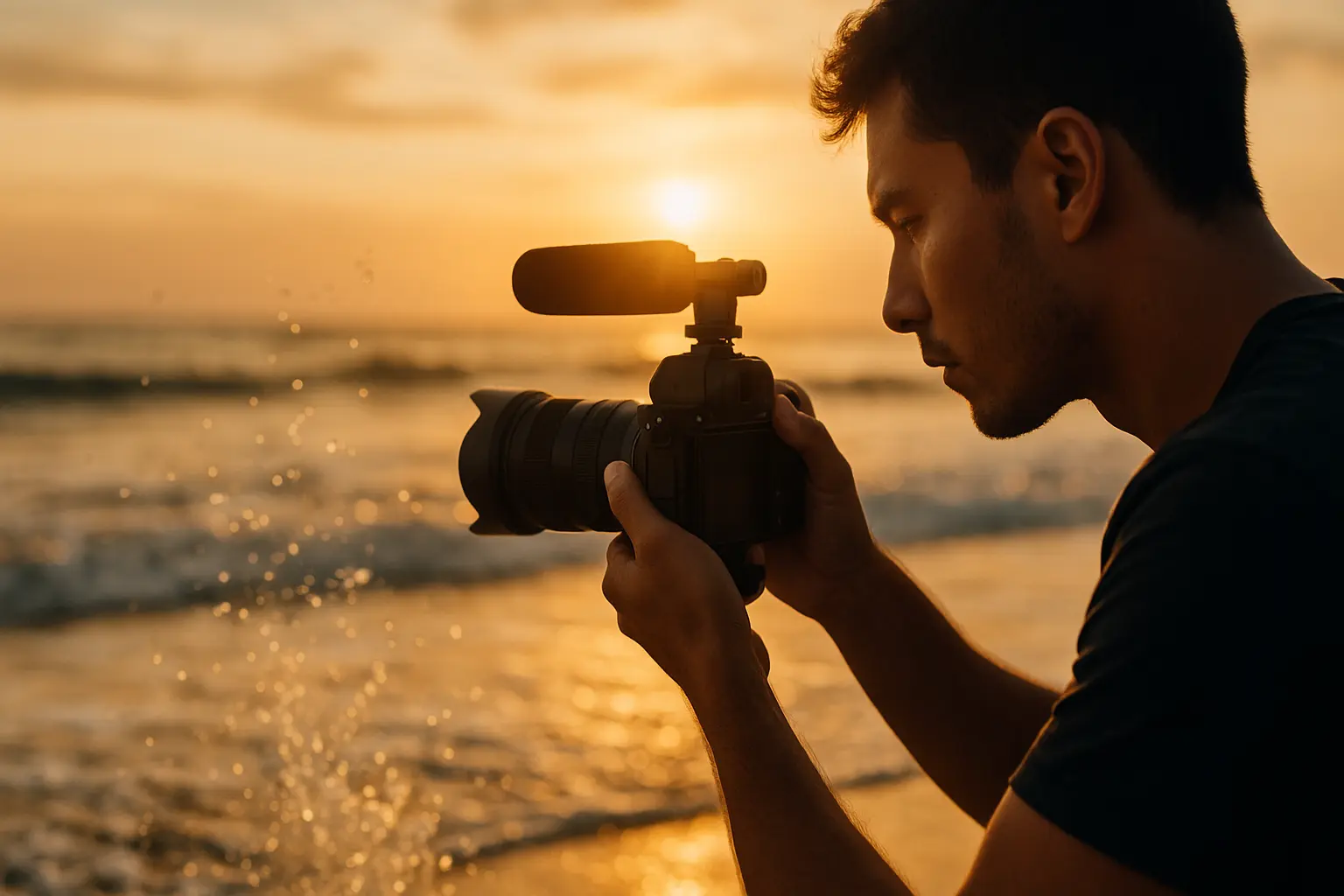
When you shoot slow motion, your camera captures more frames in the same amount of time—which means less light reaches the sensor. That’s why low-light slow motion often looks noisy or grainy, especially on smartphones or entry-level APS-C cameras. If you’re shooting indoors, weddings, product videos, or nighttime street scenes, adding artificial lighting or shooting near bright sources will dramatically improve results. Natural daylight outdoors—especially morning and golden hour—produces the best cinematic slow-motion visuals without extra equipment.
Ideal Camera Settings for Beginners
Most slow-motion problems occur because creators rely fully on auto mode. Manual settings immediately give better results. Choose a higher frame rate first—either 60 fps or 120 fps depending on how dramatic you want the motion to be. Keep ISO as low as possible for clean images and set white balance manually to avoid color shifts during editing. If your camera supports flat or Log profiles, use them, because they offer more room for color grading later. Only use auto exposure if you’re moving quickly and don’t want to miss a moment, such as street or travel shooting.
Choosing the Right Subjects for Slow Motion
Not everything looks cinematic in slow motion—certain motions respond beautifully to being slowed down. Water splashing, sarees flowing in the wind, football kicks, hair flips, traffic on a rainy Dhaka night, smoke rising in tea stalls, birds taking flight, motorcycle rides on Sylhet roads—all create visual poetry when slowed. A good slow-motion clip should reveal texture, movement, emotion, or rhythm that normal video fails to show. So before pressing record, ask yourself: will slowing this moment make it more meaningful?
Smartphones Can Shoot Cinematic Slow Motion Too
Many Bangladeshi beginners think they must buy a camera immediately, but modern smartphones have surprisingly powerful slow-motion capabilities. iPhones, Samsung Galaxy S-series, and higher-end Xiaomi, Vivo, and Realme phones can shoot 120–240 fps in great lighting. To get the most out of a smartphone, always use the rear camera, shoot in daylight, keep your hands steady or use a cheap gimbal, avoid zooming, and later edit the video in a 24 fps timeline. With good light, a phone can produce slow-motion footage impressive enough for YouTube, weddings, or commercial social media content.
Best Cameras in Bangladesh for Slow-Motion Video
If you want to step up from smartphones, there are excellent camera options available in Bangladesh at different budgets. Compact video-focused models like the Sony ZV-1 offer 120 fps recording with excellent autofocus, making them perfect for travel vloggers and beginners. The Canon EOS R50 is another affordable choice for YouTube and personal filmmaking. Sony’s a6400 remains popular for its reliable tracking and slow-motion performance. Meanwhile, GoPro Hero 13 and Insta360 action cameras shoot up to 240 fps, great for sports, motorcycles, and outdoor adventures. Creators with bigger budgets may consider the Sony A6700, Fujifilm X-S20, or Panasonic GH6 for more professional cinematic work.
Editing Slow Motion Like a Filmmaker
Slow motion becomes cinematic during editing—not shooting. Place your footage inside a 24 fps timeline in Premiere Pro, Final Cut, DaVinci Resolve, or even CapCut mobile. Slow it down naturally based on the frame rate—don’t force it beyond what the camera captured. Add emotional music, smooth transitions, subtle sound design, soft vignettes, and tasteful color grading to shape the storytelling mood. If your footage feels shaky, apply stabilization carefully—too much can distort the image.
Mistakes Beginners Should Avoid
Many new creators try slow motion without planning, resulting in footage that looks random, dark, or artificial. Shooting in low light, ignoring shutter speed, using very high ISO, slowing footage shot at 24 fps, or recording scenes with no emotional movement usually leads to disappointing results. Slow motion should serve a purpose, not just act as a visual effect.
Final Thoughts for Bangladeshi Creators
You don’t need the most expensive camera to create cinematic slow motion. What you truly need is understanding—how your camera works, how light behaves, how motion feels, and how editing shapes emotion. Start with the device you already own, practice regularly, study storytelling, and upgrade your gear only when you feel limited—not pressured. Whether you’re filming the Bay of Bengal waves or a cup of cha being poured on a Dhaka street—slow motion can turn ordinary life into art.
FAQ
Q1: Do I need a 120 fps camera for cinematic slow motion?
No—60 fps is enough for smooth cinematic slow motion, especially for YouTube, weddings, and travel videos.
Q2: Which camera is best for slow motion under a budget in Bangladesh?
Sony ZV-1, Canon R50, Sony a6400, and GoPro Hero 13 are great options.
Q3: Can smartphones shoot cinematic slow motion?
Yes—iPhones & flagship Android phones shoot excellent slow motion in good lighting.
Q4: What timeline fps should I edit slow-motion videos in?
For cinematic videos, use a 24 fps timeline.
Q5: Why does slow motion look grainy at night?
Because higher frame rates need more light, resulting in higher ISO noise.